Introduction
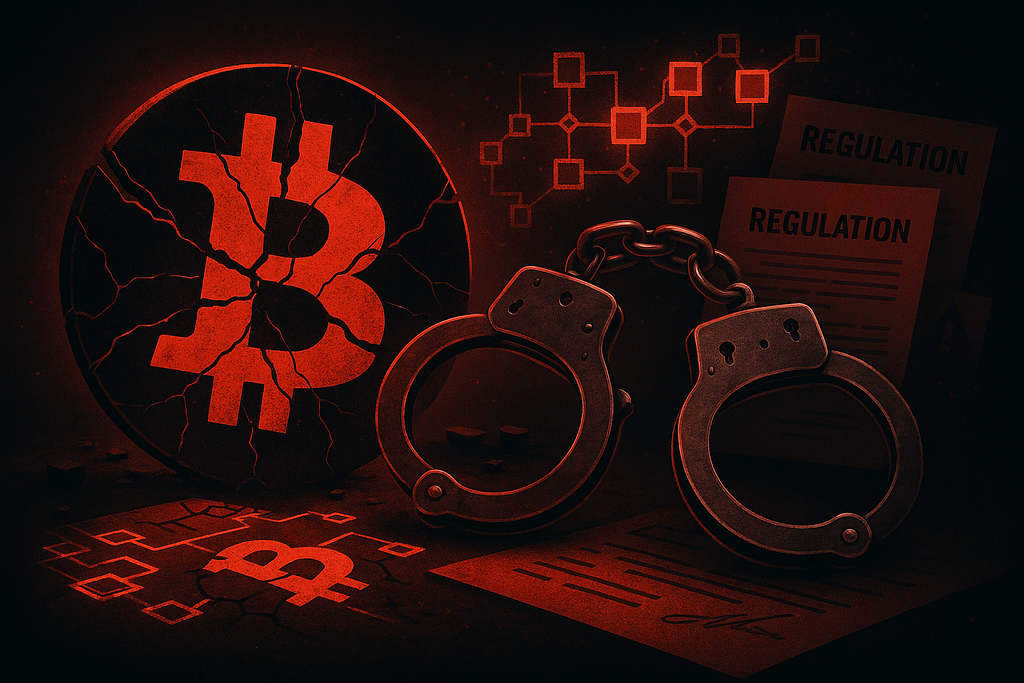
Crypto scams have surged in 2025, with $2.17 billion stolen globally, according to Chainalysis. High-profile cases, like Shane Moore’s $900,000 Ponzi scheme and an NCA officer’s $5.6 million Bitcoin theft, underscore the risks in a $4 trillion market. Regulatory crackdowns, such as Hungary’s new laws and the U.S.’s GENIUS and CLARITY Acts, aim to protect investors. Karan Pujara of ScamBuzzer told Decrypt, “Scams run on false hope and high returns.” This article explores recent scams, global regulatory responses, and practical steps to stay safe.
Anatomy of 2025 Crypto Scams
Shane Moore, a former rugby player, defrauded investors of $900,000 through a Ponzi scheme promising 1% daily returns, targeting his rugby network, per Decrypt. Similarly, NCA officer Paul Chowles stole 50 BTC ($5.6M) during a Silk Road 2.0 investigation, laundering funds via Bitcoin Fog. These cases highlight common scam tactics: exploiting trust, promising unrealistic returns, and leveraging insider access.
Chainalysis reports that Asia saw a spike in scams, with $1.2 billion lost to phishing and fake trading platforms. Social media, particularly X, amplifies these schemes, with fraudsters using fake profiles to promote “guaranteed” investments. The $2.17 billion loss in 2025 reflects a 20% increase from 2024, driven by the market’s growth.
Global Regulatory Crackdowns
Hungary’s new laws, effective July 2025, impose up to 8 years in prison for operating unlicensed crypto exchanges, per Decrypt. The UK’s NCA gained powers to seize crypto without arrests, aiding cases like Chowles’. In the U.S., the GENIUS Act regulates stablecoins, while the CLARITY Act shifts oversight to the CFTC, reducing SEC enforcement friction. Trump’s nominee, Brian Quintenz, strengthens the CFTC’s crypto focus.
The EU’s MiCA framework, set for 2026, will standardize regulations, requiring KYC and AML compliance. These measures aim to curb fraud but increase compliance costs for platforms. Coinbase and Kraken have adapted, integrating with CFTC-regulated CME contracts to ensure legitimacy.
How to Protect Yourself
Investors can stay safe by using regulated exchanges like Kraken or Coinbase, which comply with the GENIUS and CLARITY Acts. Verify platform licenses and avoid offers promising high returns, as advised by Pujara. Blockchain analytics tools, like Chainalysis, can track suspicious transactions. Monitoring X for scam warnings via Google Gemini, as Cointelegraph suggests, helps identify red flags.
Store assets in hardware wallets and enable two-factor authentication (2FA). Be wary of unsolicited messages on X or Telegram promising quick profits. Cryptofeedhub’s community provides scam alerts and due diligence guides to protect your investments.
The Future of Crypto Safety
Global cooperation is key to combating scams. The U.S.’s regulatory clarity contrasts with Asia’s fragmented oversight, where scams thrive. The EU’s MiCA and Hungary’s laws signal a global push for accountability. Investors should stay informed on regulatory changes and leverage tools like Cryptofeedhub’s newsletter for real-time scam alerts and safety tips.
Stay Ahead of the Crypto Curve
For real-time updates and in-depth analysis, follow us on X (@CryptoFeedHub) and explore our full news archive at CryptoFeedHub.com.
Why follow us?
- 🔄 Breaking news alerts – Be first to know about market-moving events
- 📊 Expert analysis – Institutional-grade insights on trends and regulations
- 🚀 Exclusive content – Deep dives you won’t find anywhere else